


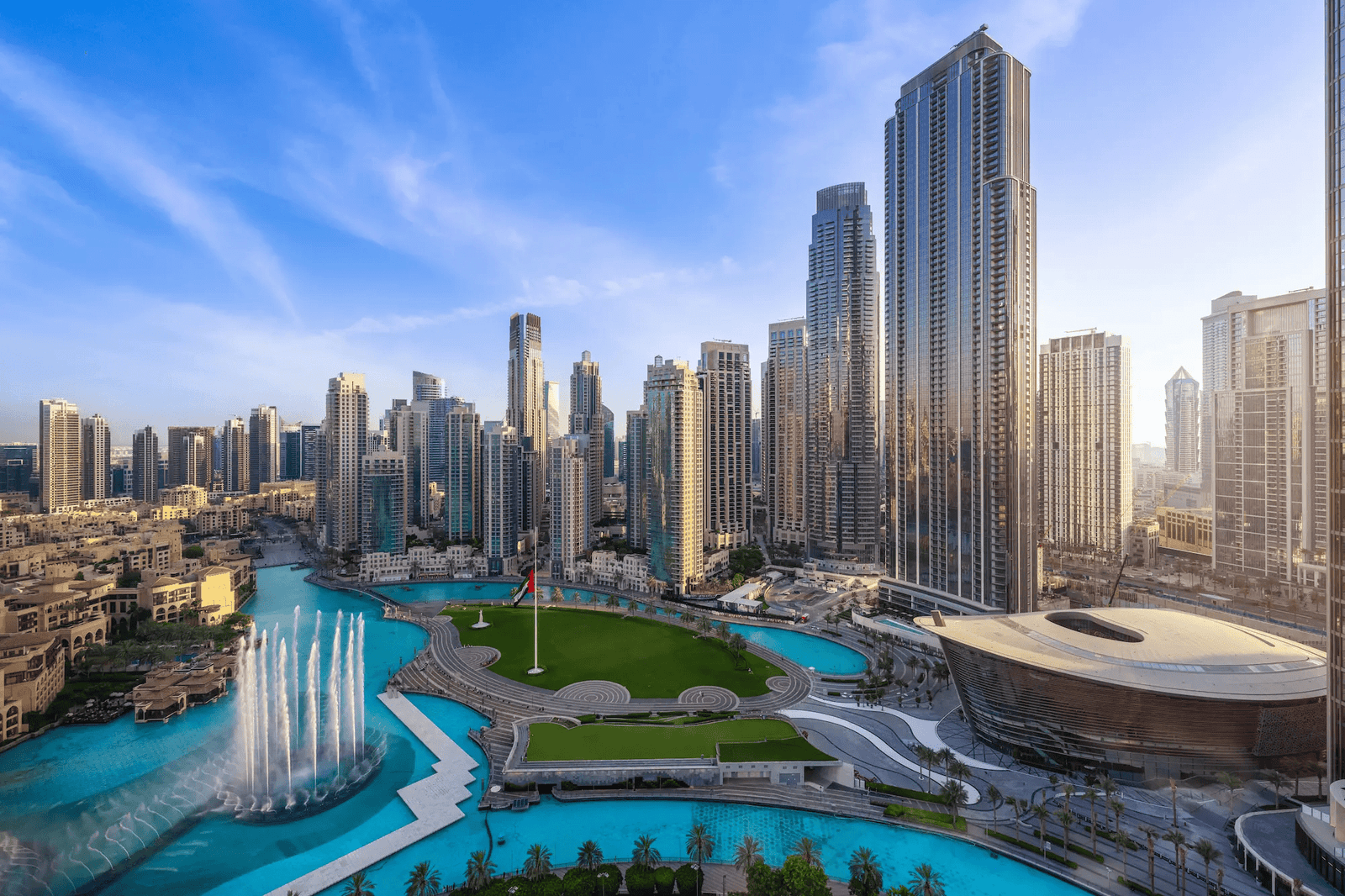
Dubai Property Boom Shows Strain as Flippers Get Buyer’s Remorse
Over the past three years, Dubai’s real estate market has been the talk of the globe. Prices soared, demand surged, and luxury towers sold out in days. The city’s property boom has attracted global investors, HNWIs (High-Net-Worth Individuals), and everyday buyers eager to secure a piece of Dubai’s skyline.
But every market cycle brings its own challenges. Recently, a new trend has surfaced flippers beginning to experience buyer’s remorse. These are investors who purchased properties with the intention of reselling them quickly for a profit. As supply starts to catch up with demand and interest rates globally remain high, some are realizing that quick flips may not yield the windfalls they once anticipated.
At Harpreet Real Estate LLC, we believe that understanding both the opportunities and risks in Dubai’s property market is crucial. In this article, we’ll dive into why the boom shows signs of strain, what’s driving investor hesitation, and why long-term fundamentals still make Dubai real estate a compelling choice.
Dubai’s Property Boom: How We Got Here
The Dubai property boom didn’t happen by accident it’s the result of policy reforms, investor-friendly incentives, and global demand shifts.
Visa reforms such as the Golden Visa for investors, retirees, and skilled professionals opened the doors for long-term residency.
Tax benefits with no personal income tax and attractive corporate tax structures made Dubai a magnet for wealth.
Expo 2020 legacy projects boosted infrastructure, creating sustainable demand across hospitality, retail, and residential sectors.
Luxury market growth surged as global HNWIs, particularly from Europe, Russia, and Asia, sought lifestyle-driven investments.
According to Dubai Land Department data, 2023 and 2024 were record years for transaction volumes, with properties worth billions changing hands weekly. Off-plan sales dominated the scene, and demand in areas like Palm Jumeirah, Dubai Marina, and Downtown Dubai hit unprecedented highs.
The Flipping Phenomenon in Dubai
During the height of the boom, many investors both local and international jumped in with a strategy to “buy now, sell fast.” Developers launched off-plan projects with relatively small down payments, and flippers lined up to secure allocations.
Within months, some were reselling properties at a 20–30% premium before construction even began. Stories of quick profits attracted more short-term speculators into the market.
But today, the tide is shifting. With a surge in new launches, more supply entering the pipeline, and tightening liquidity, flippers are finding it harder to secure buyers at the same aggressive premiums. The once “guaranteed” quick profits are now looking less certain.
Signs of Buyer’s Remorse
So, why are flippers starting to feel the strain?
Increased Supply – Developers are responding to high demand with record-breaking launches. While this supports Dubai’s long-term vision, it means investors face stiffer competition when trying to resell.
Global Economic Pressure – Rising interest rates and inflation across the globe are impacting investor appetite. While Dubai remains tax-friendly, some international buyers are more cautious with liquidity.
Shift Toward End-Users – A growing number of buyers in Dubai are end-users, not speculators. Families and professionals moving to the UAE are seeking homes to live in, not properties to flip.
Longer Transaction Cycles – What once sold in weeks may now take months. For short-term investors who tied up capital, this slower cycle brings frustration.
Psychological Factor – The hype-driven frenzy of the boom period is fading. Investors chasing quick wins sometimes overlook due diligence, and when expectations don’t match reality, remorse sets in.
HNW Investors in Dubai: Playing the Long Game
While flippers may be struggling, HNW investors in Dubai especially from Saudi Arabia and India are doubling down on long-term strategies.
Saudi investors see Dubai as a safe-haven market, benefiting from proximity, lifestyle, and ease of doing business.
Indian investors in Dubai remain among the largest foreign buyers, drawn by cultural ties, strong returns, and a stable legal framework.
Global HNWIs continue to see Dubai as a lifestyle destination with world-class education, healthcare, and security.
Instead of flipping, many are holding properties as rental investments. With average rental yields of 6–8%, Dubai outpaces global cities like London, New York, and Hong Kong.
Why Long-Term Fundamentals Still Look Strong
Despite short-term strains, Dubai real estate continues to rest on strong fundamentals:
Population Growth – Dubai’s population is expected to reach 5.8 million by 2040, creating sustained housing demand.
Diverse Economy – From finance and tourism to technology and logistics, Dubai is diversifying beyond oil.
Government Support – Investor-friendly policies and continuous reforms ensure global competitiveness.
Luxury Demand – Ultra-prime properties, such as villas on Palm Jumeirah, continue to break records, signaling confidence in the city’s high-end segment.
Global Safe Haven – In times of geopolitical uncertainty, Dubai remains a stable, attractive destination for capital.
A Market Transition, Not a Collapse
It’s important to emphasize: Dubai’s real estate market is not collapsing it’s transitioning.
The days of easy, speculative flipping may be slowing.
But genuine demand from end-users and HNWIs remains solid.
Rental yields continue to outperform global averages.
Luxury and ultra-luxury segments show resilience.
This transition could actually strengthen the market by weeding out excessive speculation and making room for more stable, sustainable growth.
Outlook: What’s Next for Dubai Real Estate?
Looking ahead, analysts expect Dubai’s real estate to:
See moderated price growth in the coming years, rather than explosive surges.
Remain attractive for rental investments, especially in mid-tier communities where families seek affordability.
Continue drawing Saudi and Indian investors, who see Dubai as both a financial and lifestyle opportunity.
Benefit from long-term reforms, such as expanded Golden Visa eligibility and ongoing infrastructure upgrades.
For investors willing to look beyond short-term flipping, Dubai still represents one of the most exciting property markets globally.
Final Thoughts: Navigating Dubai’s Market With Clarity
At Harpreet Real Estate LLC, we’ve always emphasized the values of Credibility, Honesty, and Loyalty. Dubai’s property market is dynamic, and while opportunities abound, so do risks for those who enter without a strategy.
Yes, the Dubai property boom is showing strains for flippers, but the long-term story remains compelling. End-user demand, rental yields, and high-net-worth investor confidence continue to drive sustainable growth.
For investors considering their next move, the key is to align with experts who understand both the risks and opportunities.



Leave a Reply
Comments